Torn between in-ear vs over-ear headphones? Choose in-ear for pockets, workouts and commutes. Choose over-ear for long, comfortable sessions at a desk or on a sofa. Your daily routine decides it.
If you are still sorting through the types of headphones, this comparison narrows the choice to two main styles.
| Item | Value |
|---|---|
| WHO workplace noise limit | 85 dB for up to eight hours per day |
| Unsafe level example | 100 dB for 15 minutes |
| WHO advice on daily personal audio use | Less than one hour |
| Young people at risk of hearing loss (WHO, 2015) | 1.1 billion |
These figures come from WHO’s 10 March 2015 news release. Figures can change, so check the source before you rely on them.
In-ear vs over-ear headphones: the core differences
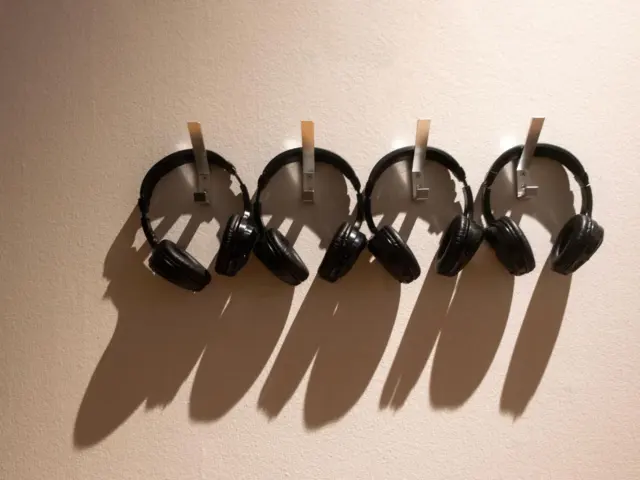
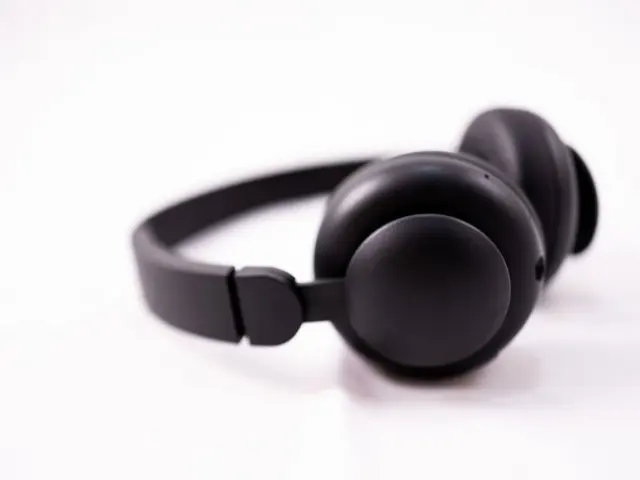
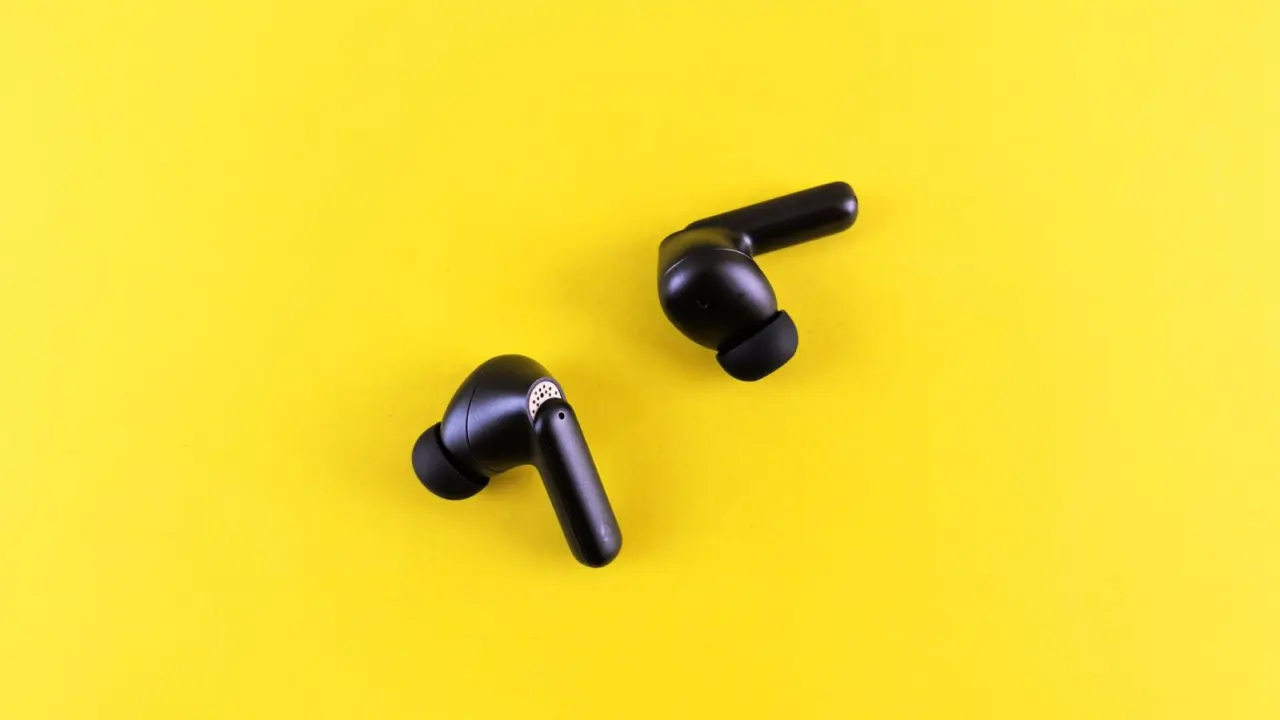
An in-ear headphone, often called an earbud or earphone, sits in or at the entrance of your ear canal. An over-ear headphone has large cups that surround your whole ear and rest on the head.
That one difference drives almost everything else: size, seal, comfort over time, how much outside noise you hear and how much room the speaker has to work with.
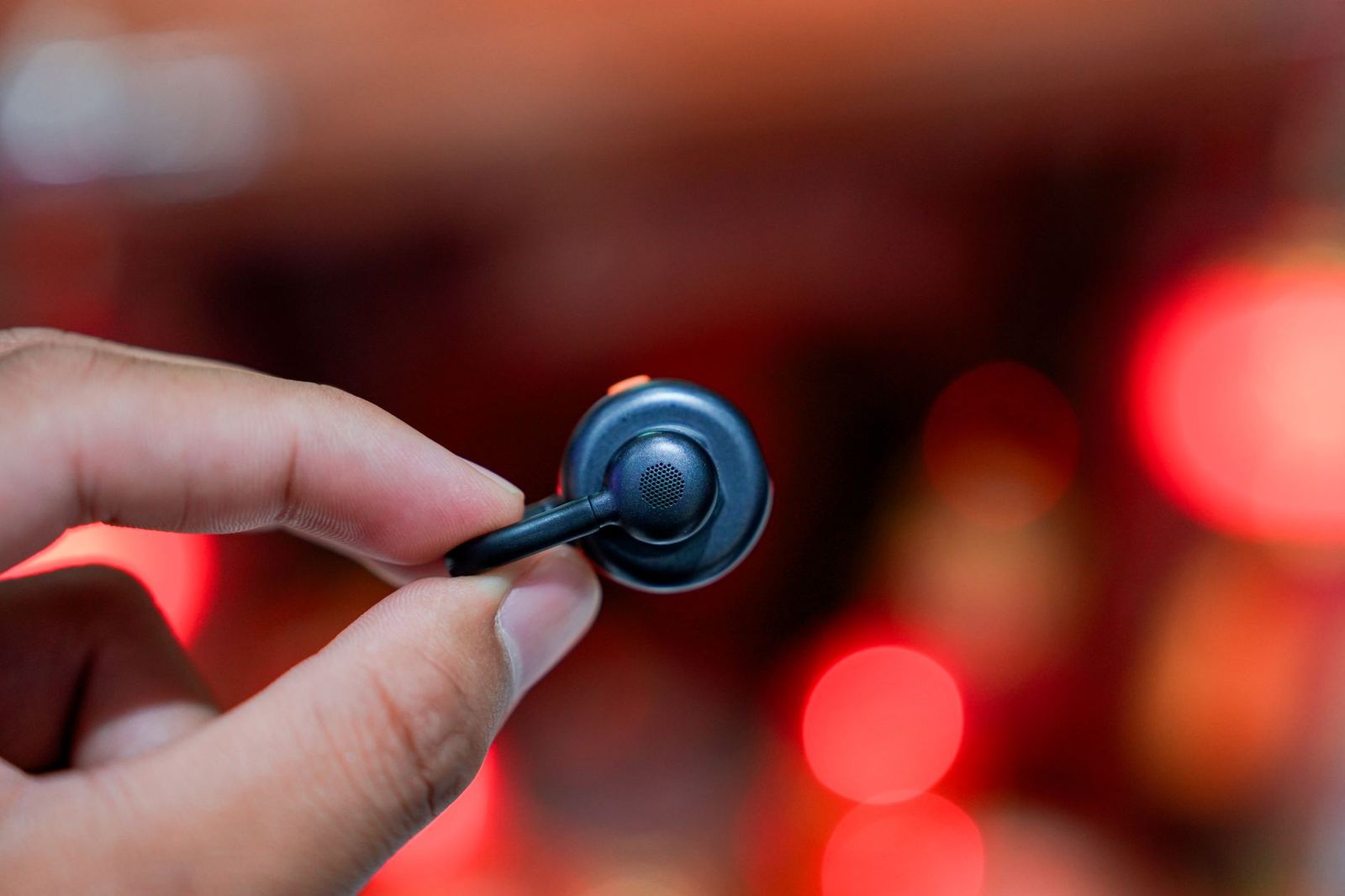
- In-ear: tiny, light, easy to carry, often wireless with a charging case.
- Over-ear: bigger, heavier, more padding, usually a folding or swivelling frame.
- On-ear: a third style that presses on the ear rather than around it. It is not covered here.
Comfort: which one can you wear longest?
Comfort is personal, and it depends on your ear shape and your habits. Others find a band across the head and warm cups on the ears tiring, especially in summer.
As a rule, in-ear designs feel lighter and disappear on the ear. Over-ear designs spread weight across a larger area, so they often suit long listening sessions if the clamping force is gentle.
What to check for in-ear comfort
- Several tip sizes in the box, so you can find a seal that does not press hard.
- A shape that fits your ear without sticking out or twisting.
- Low weight per earbud if you wear them for hours.
What to check for over-ear comfort
- Soft, deep ear pads that do not touch the outer ear.
- A padded headband and adjustable fit.
- Breathable pad material if you get warm, and glasses-friendly pads if you wear spectacles.
Sound quality and isolation
Good in-ear models can still sound excellent, particularly when the seal is right, because the speaker sits close to your eardrum.
A tight in-ear seal also blocks outside noise passively. Over-ear cups do this too, but the result depends on pad design and how well they fit around your head and glasses.
If you want to cut more noise electronically, read how do noise cancelling headphones work. Both styles come with active noise cancelling, and cancellation quality varies by model more than by style.
Wireless sound also depends on what your phone and headphones both support. Our guide to bluetooth codecs explained covers why two pairs of the same price can sound different on one phone.
Portability and everyday use
This is where in-ear wins. A pair of earbuds and a case fit in a coin pocket, so they come along on every trip. Over-ear headphones need a bag, though a folding frame and a hard or soft case help a lot.
Use this quick matching guide:
- Running or gym: in-ear, ideally with a secure fit and sweat resistance.
- Commuting on foot: in-ear, but keep awareness of traffic.
- Flights and long train rides: over-ear is more comfortable for hours, and in-ear is easier to pack.
- Home office and calls: over-ear, with a microphone you like.
- Sleeping: neither is ideal, but small low-profile in-ear designs are the usual choice.
Battery and loss risk matter too. Small earbuds are easier to drop or leave behind, and true wireless models typically use a charging case for top-ups. Over-ear models usually run longer between charges because they hold a bigger battery.
Calls, awareness and style
For calls, microphone placement matters more than the style. Over-ear headsets may put the microphone on a boom near your mouth or build it into an ear cup. Earbuds may have built-in or inline microphones; some models also use software to reduce background noise.
Awareness is the other trade-off. A sealed earbud or closed cup shuts out traffic and colleagues, which is great on a plane and risky on a busy street. Many models offer a transparency or ambient mode that pipes outside sound back in.
Appearance plays a part as well. Think about where you will be seen wearing them.
Hearing safety applies to both
Neither style is automatically safer. What counts is how loud you listen and for how long. In its 10 March 2015 release, WHO said that unsafe levels include “exposure to in excess of 85 decibels (dB) for eight hours or 100dB for 15 minutes.”
The same WHO release says people can limit exposure by “taking short listening breaks and restricting the daily use of personal audio devices to less than one hour.” It also put the number of teenagers and young adults at risk at 1.1 billion.
When outside noise masks their audio, listeners may turn up the volume to compensate. A model with good isolation or noise cancelling lets you listen at a lower level in either style.
How to choose
- Write down where you listen most: desk, commute, gym, travel.
- If you carry them daily, lean in-ear. If you sit for long sessions, lean over-ear.
- Check for several tip sizes or soft pads, and a return policy so you can test the fit.
- Decide whether you need noise cancelling, a microphone or water resistance.
- Keep the volume moderate and take listening breaks whichever you pick.
Many people end up owning both: earbuds for moving around and a larger pair for home. That is a perfectly sensible answer if your budget allows.
Frequently asked questions
Are in-ear headphones worse for your ears than over-ear?
Show answer
Not by design. Risk comes from loud volume and long listening time, not from the style. WHO’s 10 March 2015 release lists breaks and under one hour of daily personal audio use as ways to limit exposure.
Do over-ear headphones sound better than earbuds?
Show answer
Often they have more room for large drivers, but a well-made pair of earbuds can beat a cheap over-ear set. Fit, tuning and your source matter as much as the style.
Which is better for running?
Show answer
In-ear, usually. They are light and stay put with a good fit, and many are sweat resistant. Choose an ear hook or wing design if standard earbuds fall out.
Which style is better for noise cancelling on flights?
Show answer
Both can work well. Over-ear cups tend to be more comfortable over many hours, while earbuds pack more easily. Compare individual models rather than assuming one style wins.