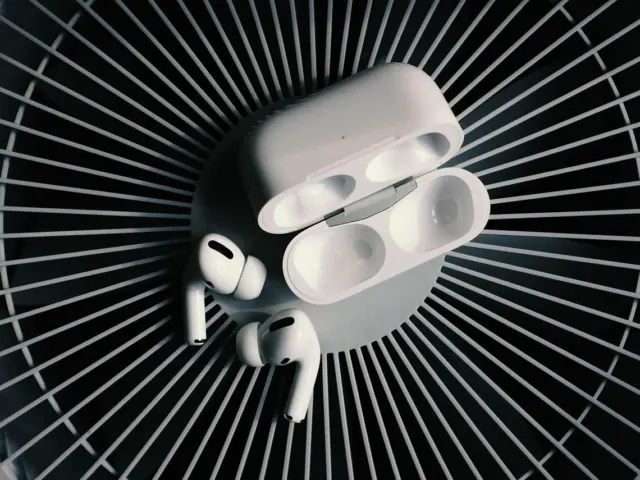
This audio wearables buying guide helps you choose the right pair without overspending: match the style to where you listen, then check fit, water resistance, codecs and volume safety. Start with your daily routine.
| Item | Value |
|---|---|
| NIOSH recommended exposure limit for noise | 85 dBA averaged over an eight-hour workday |
| Change in NIOSH-recommended exposure duration per noise increase | Halved for each 3 dBA increase |
| Young people at risk of hearing loss (WHO estimate, February 2019) | 1.1 billion |
| People with disabling hearing loss worldwide (WHO, February 2019) | 466 million |
Figures come from NIOSH’s noise and hearing loss page and a WHO news release. They can change, so check the source before you rely on them.
Start with how you will actually use them
The most common buying mistake is choosing a product by its reviews rather than by your own day. A pair that is ideal for a long flight can be a poor choice for a morning run, and the reverse is also true. Before you compare any specification, write down the main situation you will use them in.
Most people fit into one or two of these situations:
- Commuting on trains, buses or planes, where blocking noise matters.
- Running, cycling or walking outdoors, where awareness of traffic matters.
- Gym sessions, where sweat and a secure fit matter most.
- Working at a desk or taking calls, where microphone quality and comfort over long hours matter.
- Sleeping or resting, where low profile and comfort lying down matter.
- Everyday casual listening on a tight budget.
Pick the situation you will face most often and weight the rest lower. If you try to cover every case with one pair, you will usually end up with compromises in all of them. Plenty of people end up owning a second, cheaper pair for a specific job such as workouts or sleep.
It also helps to think about your phone. The codecs your phone supports, whether you use an iPhone or an Android device, and whether you listen mostly to music, podcasts or calls all shape which features are worth paying for. Those details are covered in the features section below.
The main types of audio wearables
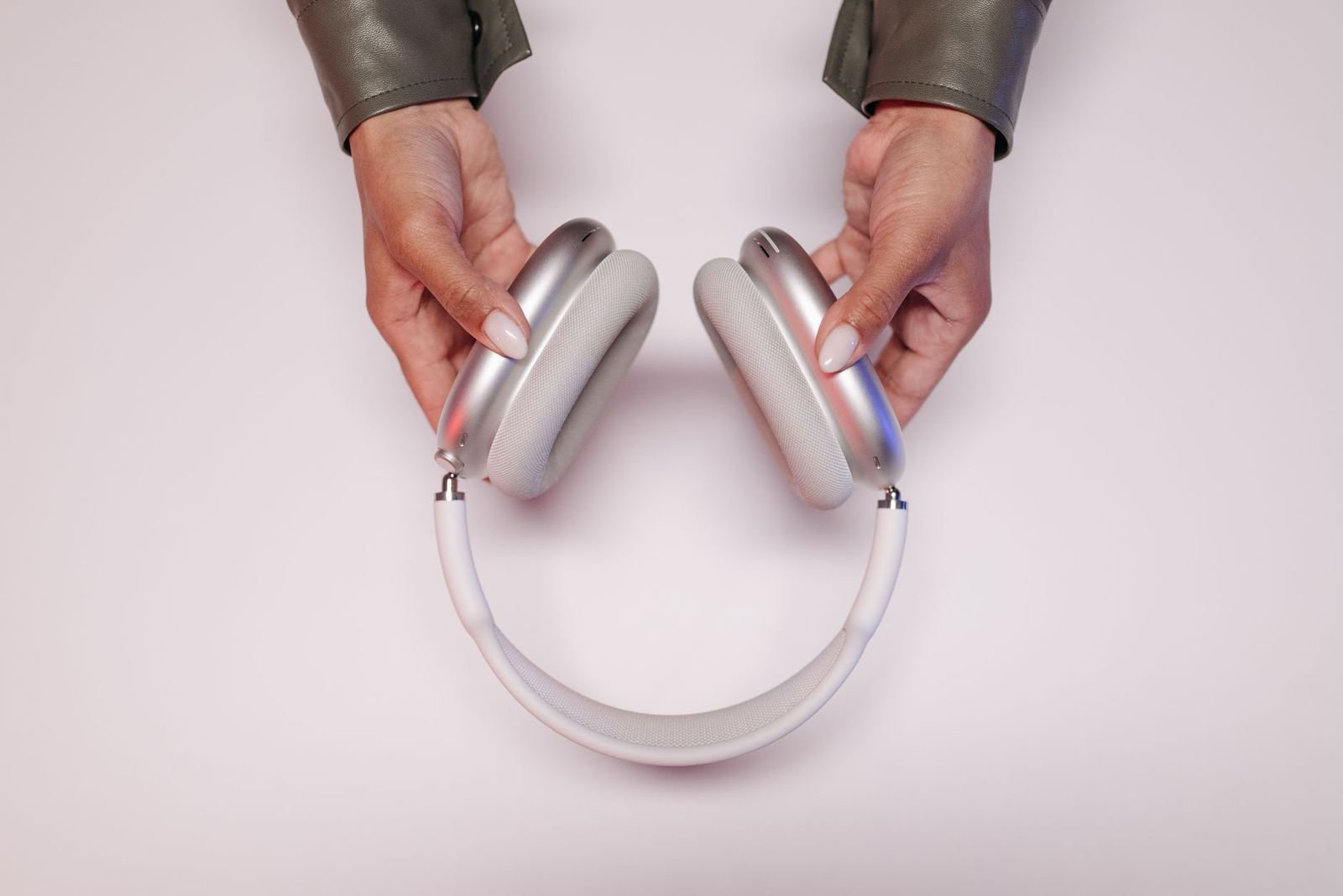
Audio wearables fall into a handful of designs, and the design decides most of how a pair feels and sounds. If you want a broader map of the category, our overview of wearable audio covers the wider field, and a separate guide to the types of headphones compares designs in more depth.
In-ear earbuds
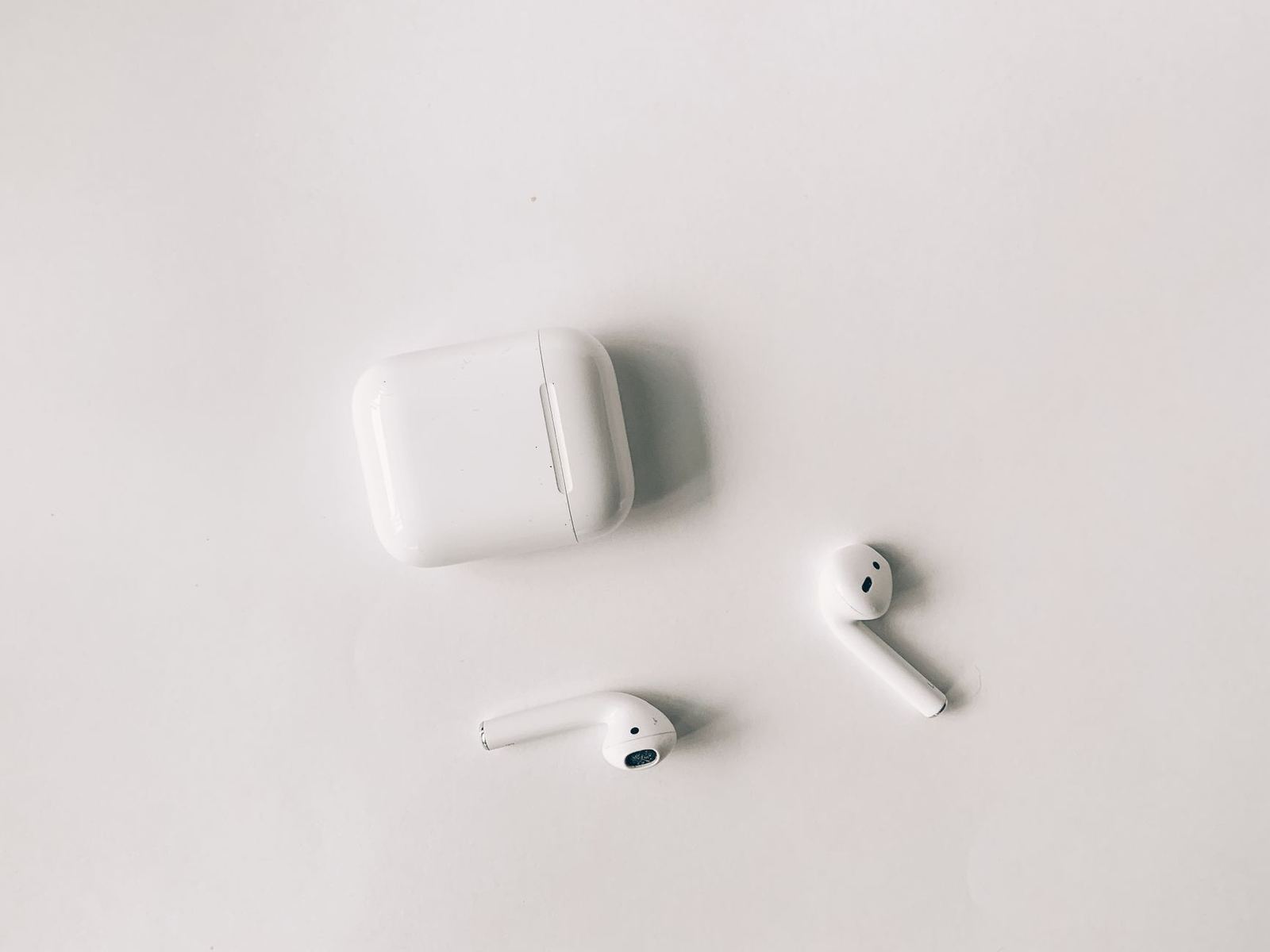
These sit in or at the entrance of the ear canal. Tips of different sizes create a seal, which improves bass and passively blocks some outside sound. They are small, easy to carry and available at every price level.
The drawbacks are comfort over long sessions for some people and reduced awareness of your surroundings. Fit varies a lot between ear shapes, so tip options and shape matter more than the brand name.
Over-ear and on-ear headphones
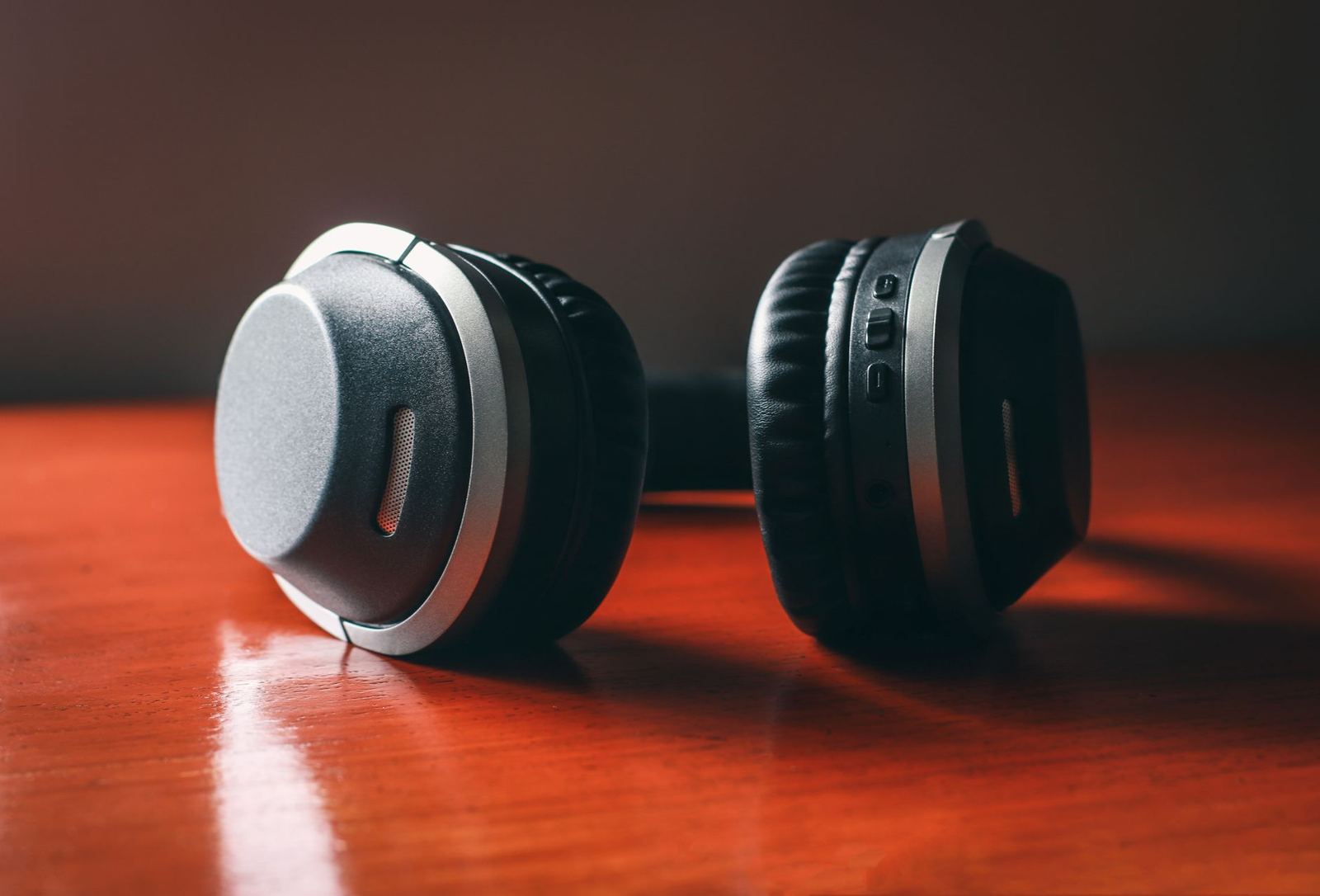
Larger headphones use big drivers and cushions, and they usually offer the most comfortable long listening sessions at home or in the office. Many also carry the strongest noise cancelling. They are bulky, can get warm and are not practical for exercise.
Open-ear designs
Open-ear models rest near the ear rather than inside the canal, so ambient sound reaches you naturally. They suit walking, cycling and offices where you need to hear colleagues. The trade-off is that bass is lighter and they leak more sound to people nearby at high volume.
Bone conduction headphones
Bone conduction headphones sit on the cheekbones and send vibrations through bone rather than air. TechRadar explains that these earphones transmit sound vibrations along your cheekbone and completely bypass the eardrum. That keeps your ear canals open for traffic and conversation.
They are popular with runners and cyclists. Sound quality is usually not as full as sealed earbuds, and loud volume still matters for your hearing, which we cover below. If this style appeals, see our roundup of the best bone conduction headphones.
Features that matter, and those that matter less
Specification sheets are crowded, and many entries are marketing. These are the features that change your experience day to day.
Fit and comfort
Fit decides whether you will wear a pair at all. A pair with excellent sound that hurts after an hour will stay in a drawer. Look for multiple tip or wing sizes, a weight that suits you and a design that stays put when you move your head.
If you have smaller ear canals, many standard earbuds will feel too big or fall out. Our guide to the best earbuds for small ears covers designs that tend to suit narrower ears.
Water and sweat resistance
Water resistance is shown as an IP rating. What Hi-Fi explains the scale: IPX4 gives protection against splashing water, and IPX7 gives protection against full water immersion for 30 minutes in water up to 3ft (1m) deep. The guide describes IPX8 as offering greater immersion protection than IPX7, typically at greater depths and for longer periods.
For most people, a rating around IPX4 is a reasonable floor for workouts and light rain. For swimming, check that the manufacturer explicitly permits that use; for accidental immersion, check the rated depth and duration. A missing rating usually means the product was not tested, so treat it as unprotected.
Bluetooth codecs
A codec is the method used to compress audio before it travels over Bluetooth. Android Central describes SBC’s role: it is the failsafe fallback when the sending and receiving devices have no other supported codec in common. Your phone and earbuds both have to support a better codec before you hear any benefit.
The same guide describes the main alternatives in simple terms:
- AAC, which is the codec favoured by Apple devices, so it matters most if you use an iPhone.
- aptX, a proprietary codec created to deliver higher quality than SBC.
- LDAC, designed by Sony, which Sony claims can carry audio up to 24-bit / 96kHz without downsampling.
- LC3, an LE Audio codec intended to improve transmission efficiency.
In everyday listening on small earbuds, the differences between these codecs are modest. Fit, tuning and a good seal usually change the sound more than a codec label does. Treat codec support as a tiebreaker rather than the main reason to buy.
Noise cancelling and transparency
Active noise cancelling uses microphones to cancel steady background sound such as engines and air conditioning. It is excellent on planes and trains and less effective on sudden sounds such as voices. A transparency mode does the reverse by piping outside sound in through the microphones.
If blocking noise is your priority, start with the best noise cancelling earbuds. If you need to stay aware of your surroundings, open-ear and bone conduction styles are the better starting points.
Battery, case and microphone
Check the real-world battery life per charge and how much extra charge the case holds, and look at whether reviewers tested calls rather than only music. Wind handling and microphone clarity vary widely between models. If you take many calls, prioritise tested call quality over spec-sheet claims.
Features you can usually skip
- Headline claims of hi-res audio, unless both your phone and your music service support it.
- Gimmicky touch controls, if you prefer physical buttons while exercising.
- Extra accessories that add to the price rather than the experience.
Protect your hearing while you listen
The best pair is one you can listen to safely for years. A WHO news release from February 2019 carries the headline that a new WHO-ITU standard aims to prevent hearing loss among 1.1 billion young people. The same release says over 5% of the world’s population, or 466 million people, has disabling hearing loss.
NIOSH sets a benchmark for how loudness and time combine. It established a recommended exposure limit of 85 A-weighted decibels (dBA) averaged over an eight-hour workday, and for each 3 dBA increase in noise level it recommends reducing the exposure duration by half. That is a workplace benchmark rather than a headphone rule, but it shows why a small volume increase shortens your safe listening time quickly.
The WHO release recommends a ‘sound allowance’ feature that compares accumulated listening exposure with a reference allowance. It also mentions volume limiting options, including automatic volume reduction and parental volume control. If you share a pair with a child, those controls are worth looking for.
Some practical habits help:
- Keep listening levels low and use sound-exposure tracking where available.
- Take breaks during long sessions rather than listening for hours without a pause.
- Use noise cancelling on loud commutes so you do not turn the volume up to compete with the noise.
- Use any exposure tracking in your phone or headphones app.
Open-ear and bone conduction designs do not remove the risk. Quieter surroundings and sensible volume remain your main protection, and a hearing professional is the right person to ask if you notice ringing or muffled sound.
Matching a pair to your situation
Once you know your main use, the choice narrows quickly. Here is how the common situations map to designs, with a pointer to deeper roundups.
Running and outdoor exercise
You want a secure fit, strong sweat resistance and ideally some awareness of your surroundings. Wing tips, ear hooks and open-ear designs all do this well. Our picks of the best earbuds for running go through what suits runners.
Gym and mixed workouts
Gym use adds heavy sweat, towel wiping and movement in many directions. A secure fit and a decent IP rating matter more than premium sound. Our guide to the best headphones for working out covers different styles for training.
Staying aware of traffic and colleagues
Open-ear designs keep sound reaching your ears naturally, which helps on shared roads and in offices. If this describes you, the best open ear earbuds are the natural next read. Expect less bass and more leakage than sealed earbuds.
Sleeping
Sleep listening needs a very low profile so the earbuds do not press against a pillow. Comfort when you are lying on your side matters far more than battery or sound quality. Our roundup of the best sleep earbuds looks at designs made for lying down.
Tight budgets
You can get solid everyday earbuds at a low price if you accept fewer extras. Focus on fit, battery that suits your day and basic water resistance, and skip premium features. The best budget wireless earbuds guide shows where it is smart to save.
Frequent travel and commuting
Strong noise cancelling is the headline feature, with a comfortable fit for long journeys and a case that is easy to carry. Over-ear headphones tend to cancel the most, while earbuds win for portability.
Calls and working from home
For long video calls, comfort and microphone quality matter more than bass. Over-ear headsets and earbuds with several microphones tend to keep your voice clear, while open-ear designs let you hear your own surroundings. Test a pair on a real call in a noisy room before you decide.
Shared households and pets
Open-ear styles help when you need to hear a child, a doorbell or a kettle. Sealed styles shut that out, which is the point on a flight but a nuisance at home. Think about who else is nearby and whether you must remain reachable.
Common mistakes to avoid
- Buying on sound reviews alone and ignoring how a design sits in your ears.
- Paying extra for a codec your phone cannot use.
- Assuming a splash rating allows swimming or showering.
- Choosing the smallest case without checking how often you will need to recharge.
- Skipping the return policy, which is your only real fit test.
Most disappointment comes from a mismatch between the design and the situation rather than from a weak product. A mid-priced pair that fits your life will beat an expensive one that does not. If a pair is uncomfortable, give it a few days, then send it back and try another shape.
Care also affects how long a pair lasts. Wipe the buds and tips after sweaty sessions, let them dry before they go back in the case, and clean any mesh gently with a dry soft brush. Earwax and moisture are the usual reasons for muffled sound, and keeping the openings clear often fixes it.
A simple decision process
If the options still feel overwhelming, work through the decision in order. Each step removes a large part of the field.
- Name your main situation and the one thing that would ruin it, such as sweat, noise or discomfort.
- Choose a design that matches: sealed earbuds, over-ear, open-ear or bone conduction.
- Confirm fit with a return policy, because ear shapes differ and a trial is the only reliable test.
- Check the water resistance rating against your real use.
- Check that your phone supports any codec you are paying extra for.
- Compare a short list on battery, call quality and price, and ignore the rest.
Buying from a retailer with a clear return window is a good safeguard, because comfort cannot be judged from a product page. Use the first few days to check the seal, the fit when you move and how you feel after an hour of use.
Finally, be sceptical of review scores that never mention fit, and be careful with claims that sound too large. Independent measurements and long-term user feedback are more useful than launch-day enthusiasm. Remember too that this site is independent and has no connection to any brand mentioned.
Frequently asked questions
Are bone conduction headphones safer for my hearing?
Show answer
They avoid sending sound through the ear canal, but the vibrations still reach your inner ear. Loud volume for long periods remains a risk, so the same sensible listening habits apply.
Which water resistance rating should I look for?
Show answer
For workouts and light rain, a rating around IPX4 is a reasonable minimum, since What Hi-Fi says it protects against splashing water. Choose higher if you expect immersion, and remember that a missing rating means the product was probably not tested.
Do Bluetooth codecs make a big difference?
Show answer
They matter only if your phone and earbuds both support the same better codec. Otherwise the connection falls back to SBC, which every stereo Bluetooth device must support. Fit and tuning usually matter more to everyday sound.
Is open-ear or sealed better for most people?
Show answer
Sealed earbuds and over-ear headphones give better bass and noise blocking. Open-ear designs give better awareness and comfort for some people. Your main situation should decide.
How loud is too loud for headphones?
Show answer
NIOSH’s workplace benchmark is 85 dBA averaged over an eight-hour day, with exposure time halved for each 3 dBA increase. Headphone volume settings do not map neatly to decibels, so keep listening levels low and use sound-exposure tracking where available.