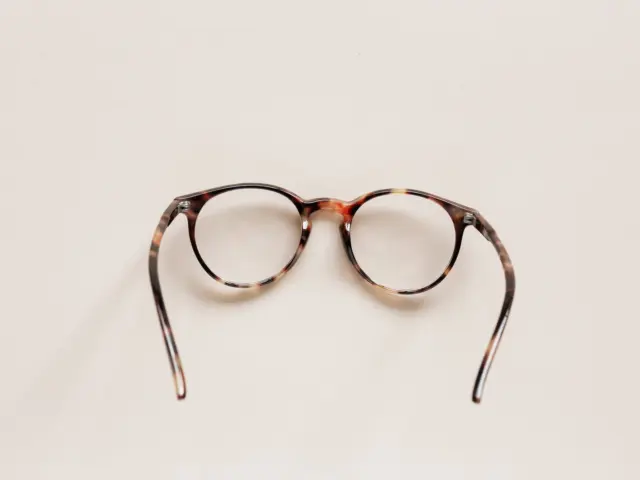
Wondering what wearable audio actually covers? It is any sound device you wear instead of hold: earbuds, open-ear clips, neckbands, glasses, headbands and body speakers. Pick by how you listen, then keep the volume sensible.
| Item | Value |
|---|---|
| People aged 12 to 35 at risk from loud recreational sound (WHO, March 2022) | Over 1 billion |
| Recommendations in WHO’s safe-listening standard for venues | Six |
| Maximum average sound level in that standard | 100 decibels |
| Hearing loss from loud sound | Permanent but preventable |
| Receivers per Auracast broadcast (Bluetooth SIG) | Unlimited number of audio sink devices |
These figures come from the WHO’s March 2022 news release and the Bluetooth SIG’s LE Audio page. They can change, so check the source before you rely on them.
What wearable audio means
Wearable audio is a broad label for sound hardware designed to be worn on the body and used hands-free. It includes earbuds, headphones, frames, bands, collars and clip-ons. Many wireless models connect to your phone and contain a small battery; wired models also fall within wearable audio.
The category is not one product. It is a spectrum that runs from fully sealed devices that shut the world out to open designs that leave your ears free. Where a product sits on that spectrum shapes almost everything else: comfort, awareness, bass, privacy and how loud you are tempted to turn it up.
If you want the classic in-ear and over-ear designs compared side by side, the guide to types of headphones covers them. This page focuses on the wider family of things you wear that make sound.
The main families
Most products fall into a handful of families. Each solves a different problem, so the best choice depends on what you do while listening.
- Sealed earbuds and headphones: block outside noise, give the fullest bass and suit commutes and flights.
- Bone conduction: sends vibration through the bones of your face rather than through the air.
- Open-ear designs: aim small speakers at the ear canal without sealing it.
- Audio eyewear: speakers built into the arms of sunglasses or smart frames.
- Neckbands: a band around the neck that holds the battery and a pair of earbuds.
- Sleep headbands: soft fabric bands with thin flat speakers.
- Body-worn speakers: small speakers that sit on the shoulders or collar.
The sections below take each in turn and point to a deeper guide where one exists.
Why people wear audio instead of holding it
The appeal is freedom. Your hands stay free for a bike handlebar, a shopping bag, a keyboard or a child’s hand, and your phone can stay in a pocket or bag. Wearable audio also makes calls, navigation prompts and voice assistants easier to use on the move.
There is a quieter benefit too. Sound that arrives without a full seal can make long days feel less tiring, because nothing is pressing into the ear canal. Not everyone feels this way, so treat it as a reason to try an open design rather than a guarantee.
What wearable audio is not
It is not a medical device. Ordinary consumer wearables are sold for music, calls and podcasts, and they make no promise to treat or correct hearing loss. Hearing aids are a separate product category with their own rules, and anyone worried about their hearing should start with a hearing professional.
It is also not a single standard. Two products with the same label can differ greatly in sound, fit and features, so judge each one on its own merits.
Bone conduction and open-ear designs
Bone conduction headphones rest against the cheekbones and pass vibration to the inner ear through the skull. Because nothing enters or seals the ear canal, you keep hearing traffic, announcements and conversation. Runners and cyclists often choose them for exactly that reason.
The trade-offs are real. Bass is usually thinner than in a sealed pair, and at high volume you may feel a tickle on your cheeks. They also leak more sound to people nearby than you might expect.
Open ear headphones take a different route. They use small speakers that sit near or just outside the ear and send sound in through the air. Many use a clip or hook, which can feel more natural than a band across the head.
Both styles share one habit worth watching: because you can still hear the world, you may raise the volume to compete with it. That is the moment the safety benefit starts to slip away, which is covered further down.
Glasses, neckbands, sleep headbands and speakers
On your face and around your neck
Audio sunglasses hide small speakers in the arms of the frame, pointing toward your ears. They suit walking, driving errands and travel, since you wear glasses anyway. Sound quality is fine for podcasts, calls and casual music, but you should not expect room-filling bass.
The step up is smart glasses with speakers, which add microphones, voice assistants or cameras. That extra hardware raises questions about weight, battery life and privacy that plain audio frames avoid. Check each model’s own specifications rather than assuming the features.
Neckband bluetooth headphones hang a flexible band around your neck with earbuds attached. The band houses a bigger battery than tiny true-wireless buds, and the buds usually cannot be lost in a coat pocket. Some people find the band annoying under a collar or when looking down.
Lying down is a special case. Sleep headband headphones use thin flat speakers in a stretchy band so you can rest on your side without a hard bud pressing into your ear. Keep the volume low at night, since you cannot easily notice discomfort while asleep.
Wearable speakers and spatial sound
Wearable speakers sit on your shoulders or around your neck and aim sound at your ears without touching them. They work well for gaming, cooking, desk work and watching video while others are in the room. The catch is privacy: neighbours can usually hear more than they could from earbuds.
Many wearables also offer a surround effect. The idea behind spatial audio explained is that sound is processed so it seems to come from places around you rather than from inside your head. Some products add head tracking so the sound stays put when you turn.
Spatial modes depend on the content, the app and the device. Treat them as a taste choice: try them on a track you know well, and switch off if it sounds odd or tiring.
Living with a wearable day to day
Real life is where designs succeed or fail. A pair of audio glasses that sits well on a short walk can feel heavy on a long train ride, and a neckband that is fine at a desk can bounce during a run. Try to test for a full session similar to how you will actually use it.
Cleaning matters as well. Anything worn against skin collects sweat, sunscreen and oil, so wipe contact points regularly and follow the maker’s care advice. Check how the device is charged, because proprietary cables are easy to lose and awkward to replace.
Finally, think about etiquette. Open designs and wearable speakers can be heard by people around you, so keep them for places where that is fine, and use a sealed pair on trains, in libraries or in shared offices.
How the technology works
Almost every wearable connects over Bluetooth. A newer layer called LE Audio is changing what that link can do. The Bluetooth SIG, the group that maintains the standard, says LE Audio will also add broadcast audio, “enabling an audio source device to broadcast one or more audio streams to an unlimited number of audio sink devices.”
The branded form of that idea is Auracast. In practice it could let a gym, airport or bar send one stream to anyone with compatible gear, or let you share your audio with a friend. Support depends on both your wearable and the venue, so do not buy on the promise alone.
Other things that affect real-world performance:
- Codec: the format that packs audio for the wireless link, which affects quality and delay.
- Microphones: matter for calls, and open designs tend to pick up more wind and street noise.
- Battery: larger bodies such as bands and frames can hold more than small buds.
- Fit and weight: the factor that decides whether you actually wear it all day.
- Water resistance: check the rating if you will sweat or run in rain.
Calls, voice assistants and awareness
Microphone placement matters here: a mic near your mouth, as on a neckband, often picks up your voice more clearly than one on a frame arm. Wind is the usual enemy outdoors, and no design removes it completely.
Voice assistants and navigation prompts are another strong use. Open designs let a spoken direction arrive without cutting you off from the street, which is why they feel natural for walking in unfamiliar places. Stay alert anyway, since any audio can distract you when crossing roads.
Connection quirks to expect
Wireless audio is convenient but not flawless. You may meet short dropouts in crowded places, delays when watching video, or trouble pairing with two devices at once. Updating the device’s app and firmware often helps, and it is worth checking whether your wearable can stay connected to a phone and a laptop together.
Protecting your hearing
No wearable is hearing-proof. The WHO says hearing loss due to loud sounds is permanent but preventable, and that prolonged or repeated exposure can lead to irreversible damage. Open designs do not change this, because the risk comes from loudness and listening time, not from the style of the device.
The scale of the issue is large. WHO’s March 2022 release estimated that unsafe recreational listening threatens the hearing of more than a billion people in the 12–35 age group. You can read the wording in the WHO’s news release.
That release also introduced a standard for venues and events with six recommendations, the first being a maximum average sound level of 100 decibels. It is aimed at venues rather than personal devices, but it shows how seriously loud sound is treated.
Habits that help, in plain terms:
- Take breaks instead of listening for hours without a pause.
- Use a volume limit or safe-listening setting if your phone offers one.
- Do not crank an open-ear device to beat traffic; switch to a sealed pair with noise reduction instead.
- If your ears ring or sound seems muffled after listening, stop and rest.
Warning signs and good listening habits
Loud sound does not always hurt while it is happening. The WHO release warns that prolonged or repeated exposure to loud sound can cause irreversible hearing loss.
Build the habits early, since damage cannot be reversed. A rule of thumb that costs nothing is to treat your listening like any other tiring activity: little and often beats long and loud.
If you already have hearing difficulties, speak to a qualified hearing professional before choosing a device. This site is educational and cannot assess your hearing.
How to choose
Start with the situation, not the specification sheet. Ask where you will wear it most, whether you need to hear your surroundings, and who else will be nearby. The answers narrow the field quickly.
- Commuting on noisy transport: sealed earbuds or headphones, ideally with noise reduction.
- Running or cycling on roads: bone conduction or open-ear designs.
- Everyday walking and calls: audio sunglasses or a neckband.
- Sleeping or resting: a sleep headband.
- Working at home with others around: a wearable speaker, if the room allows it.
Comfort deserves more weight than most buyers give it. A device with excellent sound that presses on your head after an hour will end up in a drawer, while a modest one you forget you are wearing gets used daily.
Think about glasses, hats and hair too. If you already wear prescription glasses, an in-ear or neckband style may sit more happily than a band that competes with the frame. Long hair, helmets and headscarves can all change how an open or bone-conduction design fits.
Questions to ask before buying
- Will I need to hear traffic, colleagues or children while I listen?
- Do I take a lot of calls, and where am I when I take them?
- Will other people sit close enough to overhear my audio?
- Do I want one device for everything, or a few for different moments?
- Can I return it if the fit does not work after a week of real use?
Then compare comfort over a long session, battery behaviour, microphone quality and return policy. The audio wearables buying guide walks through those checks in more detail.
Mixing and matching
You do not have to pick just one. Plenty of listeners keep a sealed pair for travel and focus time, and an open or bone-conduction pair for exercise and errands. Owning two styles often costs less than forcing one device to do everything badly.
If you are new to the category, start with the situation you face most often and buy for that. You can add a second style later once you know what bothered you about the first.
Reading reviews with care
Reviews are most useful when the reviewer describes a use like yours: the same commute, the same head shape, the same kind of workout. Be wary of praise that only repeats the marketing, and give extra weight to comments about comfort after several weeks.
Be careful with claims on product pages. Battery hours, water ratings and sound quality are usually the maker’s own figures, and your results will vary with volume, fit and use.

Frequently asked questions
Is wearable audio safer for my ears than normal headphones?
Show answer
Not automatically. Open designs help you stay aware of your surroundings, but the WHO says hearing loss from loud sound is permanent but preventable, and loudness and duration drive the risk whatever the style.
Can wearable audio replace hearing aids?
Show answer
No. Consumer audio wearables are made for entertainment and calls, not to treat hearing loss. If you suspect hearing loss, see a hearing professional.
What is Auracast?
Show answer
It is a Bluetooth feature for broadcasting audio. The Bluetooth SIG describes broadcast audio as letting a source send streams to an unlimited number of audio sink devices, but you need compatible hardware on both ends.
Which type is best for exercise?
Show answer
Many people prefer bone conduction or open-ear designs outdoors because they keep ambient sound audible. Choose a secure fit and check the water-resistance rating on the product itself.
Do I need a new phone for the latest wireless features?
Show answer
Sometimes. Newer features such as LE Audio need support in both your phone and your wearable, so check both specifications before buying.