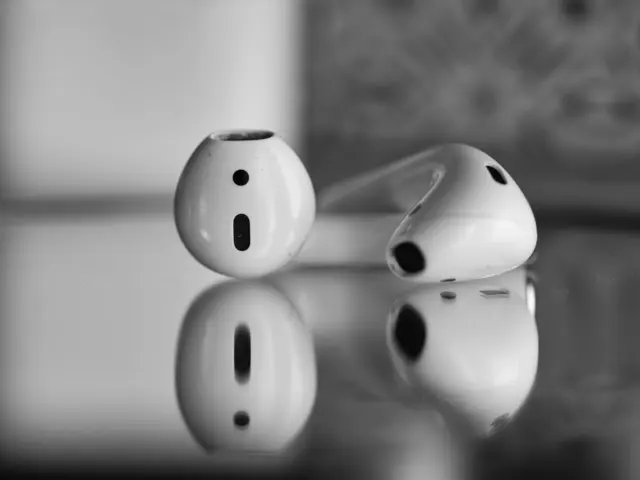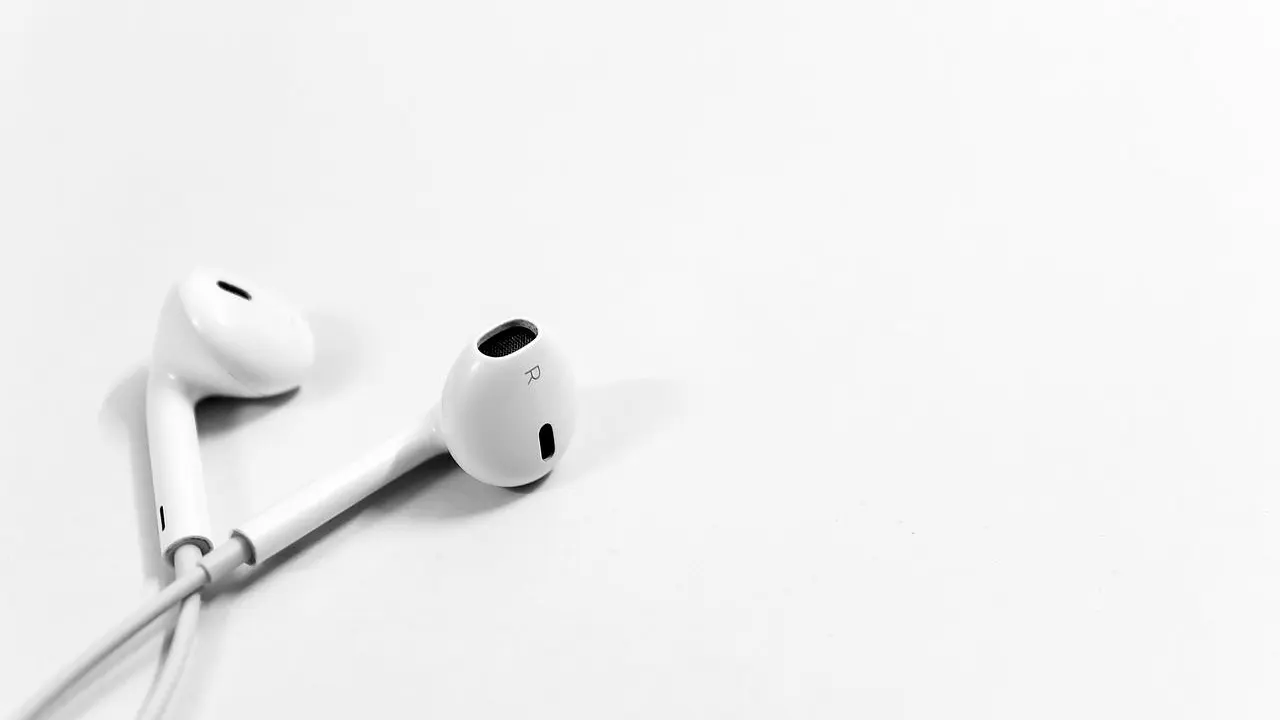
Struggling to keep buds in? The best earbuds for small ears come with several tip sizes, a compact housing and a shape that sits lightly. Fit matters more than brand.
This guide is part of our audio wearables buying guide, which covers the wider picture.
| Item | Value |
|---|---|
| Default tip size in the box | Medium |
| If you worry about forcing buds in | Start with small tips and move up size by size |
| Memory foam hold time after insertion | At least 15 seconds |
| Doctor-recommended maximum volume | 60% of maximum |
| Doctor-recommended session length | 60 minutes |
Figures come from What Hi-Fi? and Nemours KidsHealth. Advice can change, so check the sources before you rely on them.
Why small ears make earbuds hard to keep in
If you have been told your ears are “odd”, they probably are not. The gap lies in how products are designed, and it is a problem you can solve by choosing carefully.
Most earbuds are designed around an average ear. If your ear canal or the bowl of your outer ear is smaller, a standard bud can feel bulky, press on the outer ear or slide out when you move.
Two separate things are at work. One is the canal, which decides which tip size you need. The other is the housing, the outer shell, which decides whether the bud rests comfortably against your ear.
That is why swapping tips sometimes fixes the problem and sometimes does not. If the shell is large, no tip will stop it pressing on the outer ear.
Start with the tips, not the earbuds
Before you replace a pair, test the tips. What Hi-Fi? explains that correctly fitted removable tips help earbuds stay comfortable and secure while preserving sound quality.
The same guide notes that medium tips are usually the ones fitted out of the box, and that they are a starting point rather than an answer.
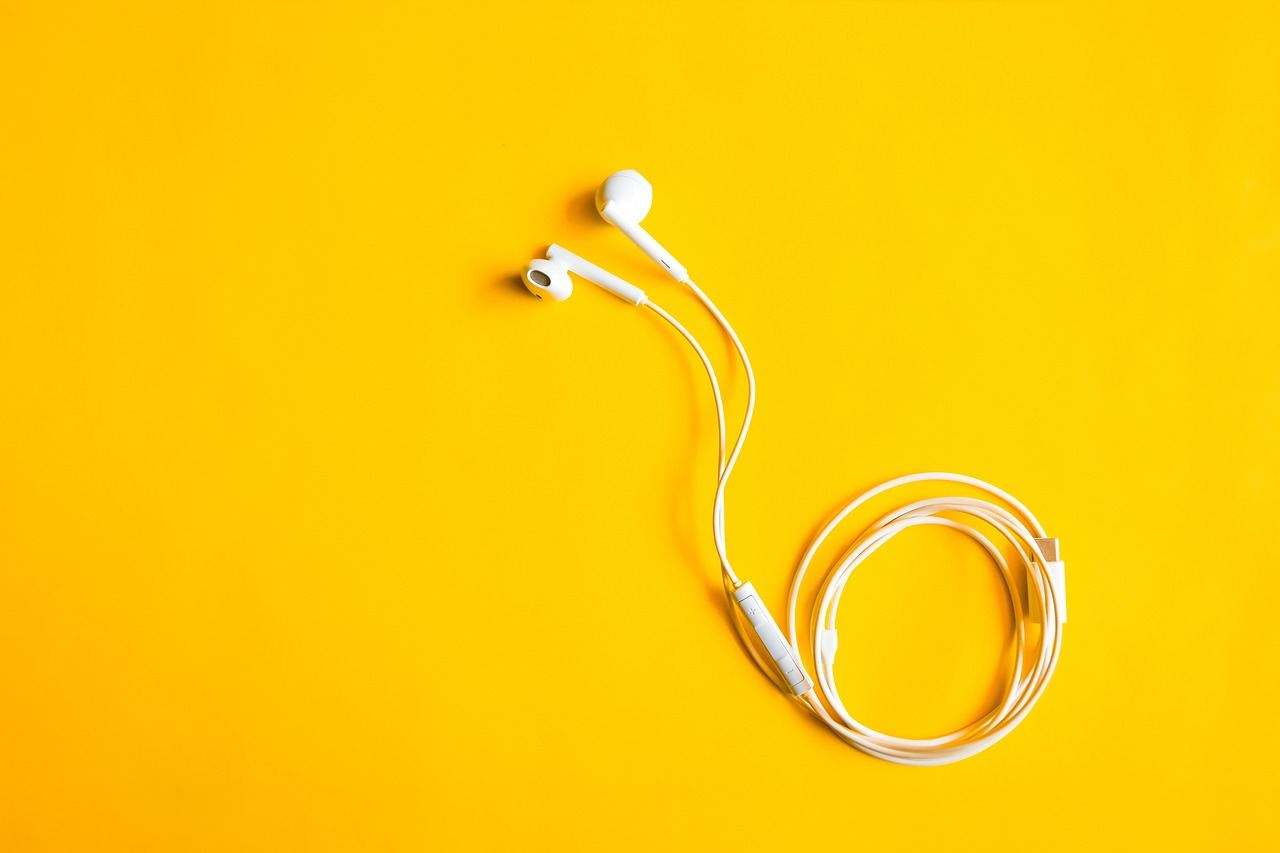
How to test a tip
- Fit a tip and insert the earbud gently.
- Play a track you know well, so you can judge whether the sound is full, especially in the bass.
- If bass is thin or the bud feels loose, move up a size. If it hurts, move down.
- Check each ear separately, because your ears may not be the same size.
What Hi-Fi? recommends testing the supplied medium tips first, or choosing smaller tips initially if insertion feels concerning.
Silicone or foam tips?
Silicone tips are the usual default. Memory foam is the common alternative, and it can suit narrow canals because it expands to fill the space instead of relying on an exact diameter.
What Hi-Fi? describes foam tips as potentially comfortable and secure, but harder to fit. To fit foam, roll the tip between your fingers until it is compressed, insert the earphone and hold it in place for at least 15 seconds so the foam can expand.
- Silicone: easy to fit, simple to wipe clean, and usually supplied in several sizes.
- Foam: moulds to the canal and can feel more secure, but takes a little technique and wears out sooner.
Shopping tips before you buy
Reviews rarely mention ear size, so read them with that in mind. A comment such as “fell out constantly” or “hurt after a while” tells you more than a star rating when your ears are small.
Look for reviewers who describe small ears or narrow canals, and check whether the shop lists the tip sizes included. If it does not, assume you may need to buy spare tips separately.
Also think about how you will use the buds. A pair for the commute needs a steady seal for noisy surroundings, while a pair for quiet desk work can be lighter and looser.
What to look for in the earbuds themselves
Once you know your tip size, shop with a short checklist. Look for a small, rounded shell, because a compact body leaves less to press on the outer ear.
- Extra-small and small tips in the box: a wide range of sizes gives you room to fine-tune.
- A low-profile shape: buds that sit flush are less likely to catch or tilt out.
- Light weight: a lighter bud puts less strain on a shallow fit.
- An easy return policy: fit is personal, and you can only judge it by wearing the buds for a while.
Budget is a separate question, and our guide to the best budget wireless earbuds shows what you can get for less. If you plan to wear buds while exercising, the best headphones for working out guide covers the extra stability you will want.
Signs the fit is wrong, and what to change
Your ears will usually tell you quickly. The trick is reading the symptom and changing one thing at a time, so you know what helped.
- Thin, hollow sound: check the seal. Try reseating the earbuds or testing another tip size or material.
- Soreness inside the canal: stop wearing the earbuds. An oversized tip or deep insertion may contribute; persistent pain is a reason to see a doctor.
- Ache on the outer ear: the shell is pressing on the ear. A tip change will not help much, so look for a smaller body.
- Buds loosen when you talk or chew: the tip may be too small, or the shape does not match your ear. Try a larger tip before giving up on the model.
- Pressure or a plugged feeling: loosen the fit slightly and take a break from wearing them.
Give each change a proper trial. Wear the buds for a while at your desk or on a walk, because a fit that feels fine for a minute can become uncomfortable later.
Protect your hearing while you find the fit
A poor seal tempts you to turn the volume up. A proper fit lets you listen at a lower level, which is kinder to your ears.
Nemours KidsHealth says doctors recommend the 60%/60-minute rule: listen at no more than 60% of the maximum volume, and limit time with earbuds in to 60 minutes. It also suggests asking people sitting near you whether they can hear your music, and turning down until they cannot.
If the buds hurt or leave your ears sore, stop wearing them and try a smaller tip or a different shape. Persistent pain or hearing changes are a reason to see a doctor.
Frequently asked questions
What tip size should I try first with small ears?
Show answer
What Hi-Fi? suggests starting with the medium tip and working out from there. If you worry about forcing the buds into your canals, start small and move up size by size.
Do my ears have to be the same size?
Show answer
No. Test each ear separately, because one ear can need a different tip from the other.
Are foam tips better for small ear canals?
Show answer
They can be, since foam expands to fill the canal. They take more care to fit, so roll the tip, insert it and hold it for at least 15 seconds.
How loud should I listen?
Show answer
Nemours KidsHealth reports that doctors recommend no more than 60% of maximum volume and no more than 60 minutes at a time with earbuds in.