The best headphones for working out are the ones that stay in your ears, shrug off sweat and outlast your session. Check three things: a secure fit, a sweat rating of at least IPX4, and enough battery.
| Item | Value |
|---|---|
| IPX4 rating | Protection against splashing water |
| IPX7 rating | Full immersion for 30 minutes in water up to 1m deep |
| Powerbeats Pro 2 playback per bud (ANC off) | 10 hours per charge |
| Powerbeats Pro 2 playback per bud (ANC or Transparency on) | 8 hours per charge |
| Powerbeats Pro 2 total with case (ANC off) | 45 hours |
Figures come from What Hi-Fi’s IP rating guide and 9to5Mac’s Powerbeats Pro 2 review. Specs can change between models and software updates, so check the maker’s page before you rely on them.
This guide is independent and educational. For wider context on the category, see our audio wearables buying guide.
Why sweat resistance matters when working out
Sweat is not just water. Moisture can affect the diaphragm inside an earbud, and Christopher Wallace of RHA told Fit&Well that sweat “can also accelerate corrosion of internal components.”
That is why a sweat rating deserves as much weight as sound. Fit&Well identifies sweat resistance as as important a consideration for outdoor exercise and people who sweat heavily.
Look for a stated IP code on the product page rather than a vague “sweatproof” claim.
What IPX ratings actually tell you
IP codes describe tested levels of protection against environmental ingress. For sweat, the liquid digit is the one that matters.
- IPX4: gives protection against splashing water, which is the usual level for sweat and light rain.
- IPX7: gives protection against full water immersion for 30 minutes in water up to 1m deep.
- IPX8: is better than IPX7, usually going deeper and for longer.
These details are from What Hi-Fi, which also notes that well-known earbuds such as the Apple AirPods Pro 2 and Sony WF-1000XM5 carry only a minimal IPX4 rating against sweat and moisture.
IPX4 indicates splash protection; also check that the manufacturer states the earbuds are suitable for sweaty workouts. For heavy rain, rinsing or swimming, check that the manufacturer explicitly permits that use. Keep charging cases dry as a rule.
Fit: the feature that decides everything
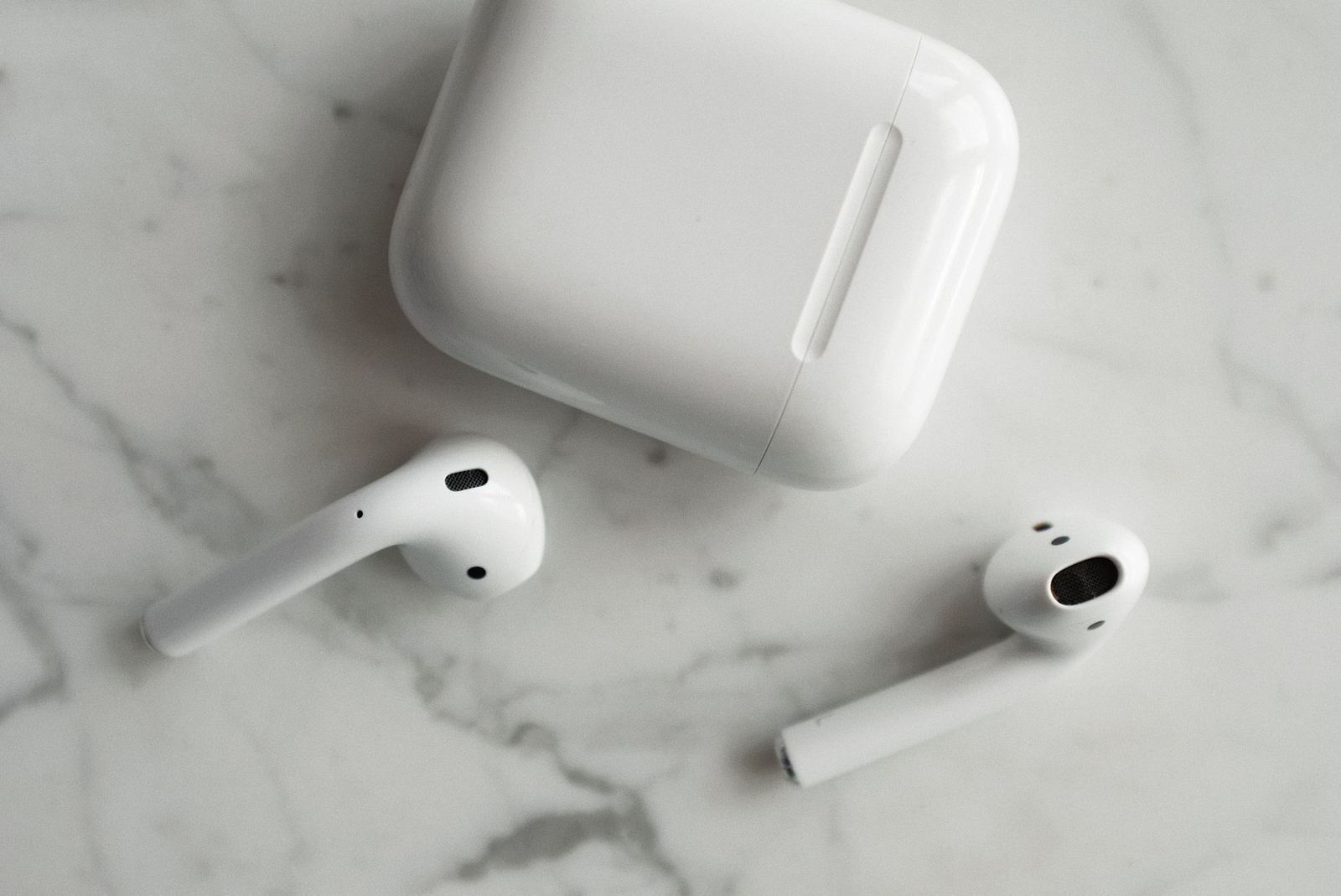
A pair that falls out mid-set is useless, whatever the specs say. In 9to5Mac’s launch review, the writer said AirPods Pro had fallen out of my ears multiple times when sweating or walking in the rain, while the Powerbeats Pro 2 earhooks and tips did an “incredible job” of anchoring the buds.
Here are the common fit styles:
- Ear hooks: loop over the ear and can help keep buds in place during exercise.
- Wing tips or fins: press lightly against the ear folds for a discreet, stable fit.
- Standard in-ear tips: light and simple, but they rely on a good seal and the right tip size.
- Open-ear designs: sit outside the canal, which suits outdoor awareness.
If your ears are on the smaller side, our guide to the best earbuds for small ears covers shapes and tip sizes in more depth. If you want to hear traffic while you run, read about the best bone conduction headphones.
How much battery do you really need?
Match battery to your longest session, not your average one. Many earbuds quote one figure for the buds and a bigger one with the case, so read both.
The Powerbeats Pro 2 show how the numbers shift. 9to5Mac lists 10 hours of playback per bud per charge with ANC and Transparency off, and 8 hours with either on; the case brings the total to 45 hours with them off and 36 hours with one on.
Noise cancelling and transparency modes cut runtime. If you rely on them, plan around the lower figure and not the headline one.
Matching headphones to the way you train
The right pair depends on what you do most. A lifter who stays in one spot has different needs from a trail runner or a class regular.
- Running and cardio: prioritise a locked-in fit and a clear sweat rating. Movement is constant, so anything loose will drift.
- Weights and strength work: comfort lying on a bench matters. Bulky stems or hooks can press against the pad, so check how they sit.
- Classes and yoga: low-profile buds are easier to wear when your head is down or turned. Battery matters less than comfort.
- Outdoor training: awareness of traffic and other people matters. Transparency modes or open-ear styles help.
Also think about controls. Wet or gloved fingers struggle with tiny touch surfaces, so physical buttons or a simple tap area can be easier mid-set.
Looking after your headphones
Even a good rating does not make earbuds sweat-proof forever. Wipe the buds with a soft, dry cloth after each session and let them air out before they go back in the case.
Ratings describe tests with fresh water, not salt, lotions or cleaning products, so avoid soaking them or using strong cleaners. Check the maker’s care instructions, since the manufacturer’s guidance is what your warranty is likely to follow.
Ear tips also wear out and collect grime. Replacing them when they stretch or split keeps both fit and sound consistent.
A simple checklist before you buy
- Pick a fit style that suits your sport: hooks for running, standard tips for lifting.
- Look for a stated IPX4 or higher rating on the product page.
- Compare per-bud battery life with your longest workout, with your preferred modes on.
- Check that the case is not the only place the extra hours come from.
- Try them with a few vigorous head movements, and use the return window if they shift.
Keep volume reasonable while you train. Gym noise tempts you to turn it up, and noise-cancelling modes can let you listen quieter.
Finally, think about how the pair connects to your phone or watch. Reliable Bluetooth pairing matters when you switch devices between the car, the gym and home, and a quick reconnect saves time before a session.
Take your phone habits into account too. If you train with a watch and leave your phone in a locker, check whether the earbuds can pair with both without a fiddly reset each time.
Last, be realistic about price. A higher price does not guarantee a better fit for your ears, so a modest pair that stays in place can beat a premium one that does not.
Frequently asked questions
Is IPX4 enough for sweaty workouts?
Show answer
IPX4 indicates protection against splashing water. Check the manufacturer’s stated suitability for sweaty workouts too. It does not cover submersion.
Can I swim with sweat-resistant earbuds?
Show answer
No. IPX7 describes temporary immersion protection, but does not by itself establish suitability for swimming; use headphones explicitly approved by their manufacturer for swimming. Check the maker’s guidance, since seals can wear.
Does noise cancelling reduce battery life?
Show answer
Usually. On the Powerbeats Pro 2, 9to5Mac lists 10 hours per bud with ANC and Transparency off, falling to 8 hours with either on.
Are ear hooks better than regular earbuds for the gym?
Show answer
They tend to anchor better during running and jumping, as 9to5Mac’s reviewer found. Comfort is personal, so the return policy matters.